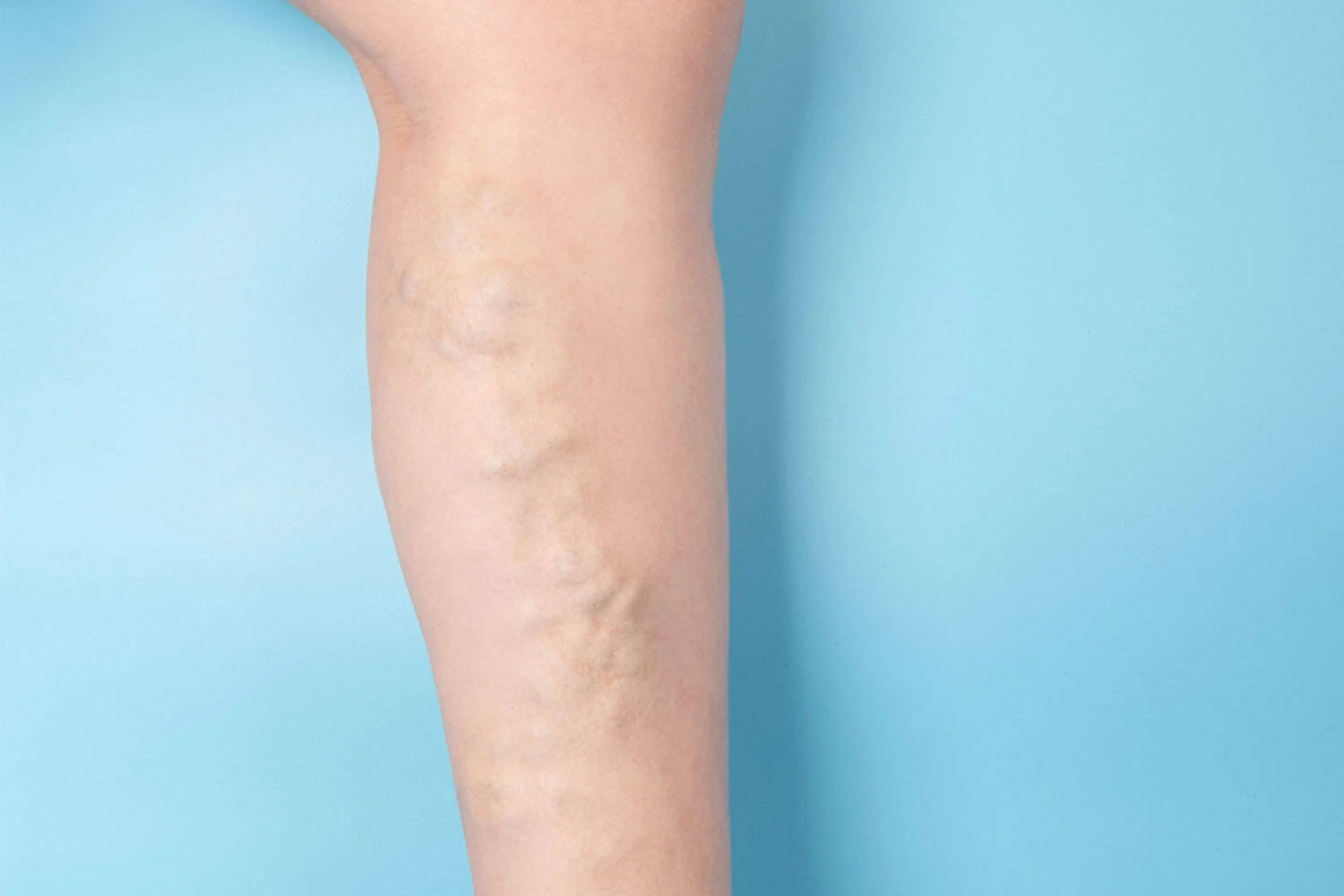
Varicose veins
Varicose and spider veins are damaged because tiny valves inside the veins weaken. The valves push blood in one direction — back to our heart. However, blood can pool in the veins when the valves become weak. With continual pressure, the vein walls weaken and bulge. In time, we see a varicose or spider vein.
Having spider or varicose veins can affect more than your appearance. These veins can cause serious discomfort. Some varicose veins put you at risk for a complication. Minimally invasive treatment can get rid of or fade leg veins. Treatment can also diminish symptoms like pain and fatigue and prevent complications.
Types of Varicose Veins
Spider Veins (Telangiectasias)
Telangiectasia varicose veins are better known as ‘spider veins’. They are among the most common types of varicose veins. They occur when the blood vessels close to the skin (venules) widen, resulting in a spider-web-like network of lines appearing on the skin. Spider veins typically spread in a web shape rather than a mesh shape and are also thinner and smaller than other varicose veins. These are usually red, blue or purple in appearance. As well as appearing on the legs and ankles, they are also commonly found on the face.
Reticular varicose veins
Reticular varicose veins spread like a mesh and cover a wider surface area than telangiectasia varicose veins. They are typically thicker than spider veins, and are often blue or purple, but are less visible than saphenous varicose veins. Reticular veins don’t necessarily bulge out but they can be unsightly. They usually occur near the ankles, on the inner thighs or on the backs of the knees.
Saphenous varicose veins
Saphenous varicose veins (also known as ‘trunk’ varicose veins) affect the saphenous veins of the legs. This is the main superficial vein, which is associated with varicose veins, and the longest in the body. When the valves of this vein fail, the vein becomes very bulgy in appearance, pushing upwards through the skin.
In some cases, saphenous varicose veins can lead to pain, discomfort, aching, itching or cramping. Untreated complications from saphenous varicose veins can lead to changes in the skin, ulceration or bleeding.
If you’re experiencing symptoms of varicose veins, it’s important to consult with a medical practitioner to determine the most suitable treatment plan for your condition.
Varicose and Spider Veins Treatments
Treatment options range from self-care to minor surgery. Exercise and self-care tips can help prevent new varicose and spider veins but cannot get rid of existing ones.
Compression stockings
Supportive elastic stockings apply steady pressure to help blood flow and stop your veins from stretching. The compression also lessens swelling in your lower legs and reduces the risk of getting a blood clot. You’ll still have visible leg veins, though.
Sclerotherapy (injection therapy)
The medical practitioner injects a chemical into the spider or varicose vein, which irritates the wall of the vein. Sclerotherapy causes the walls of the vein to stick together, so the blood cannot flow through it anymore. This improves circulation in the treated leg and reduces swelling.
- Spider veins usually disappear in 3 to 6 weeks.
- Varicose veins take 3 to 4 months.
- To get the best results, you may need 2 or 3 treatments.
Laser treatments
Laser light can destroy the vein without damaging your skin. Small spider veins may disappear immediately after treatment. Larger spider veins and varicose veins will darken, and you’ll likely see them for 1 to 3 months before they disappear. To get complete clearing, you may need 3 or more treatments.
Most patients can return to work and many of their normal activities the next day.
EndoVenous Laser Ablation (EVLA) treatment
Works by targeting Nd:YAG laser energy to the interior of a vein, causing the vein wall to shrink and seal shut. The healthy veins that surround the closed vein can then restore the normal flow of blood to the treated area.
Consult with our qualified medical practitioners. We will create a treatment plan based on your needs.
Please note that the individual results will vary depending on the individual and the targeted area. Any details provided here are general and should not replace professional consultation.