Eyebrow Lift
Comprehensive Guide to Eyebrow Lifts: Techniques, Benefits, and Care
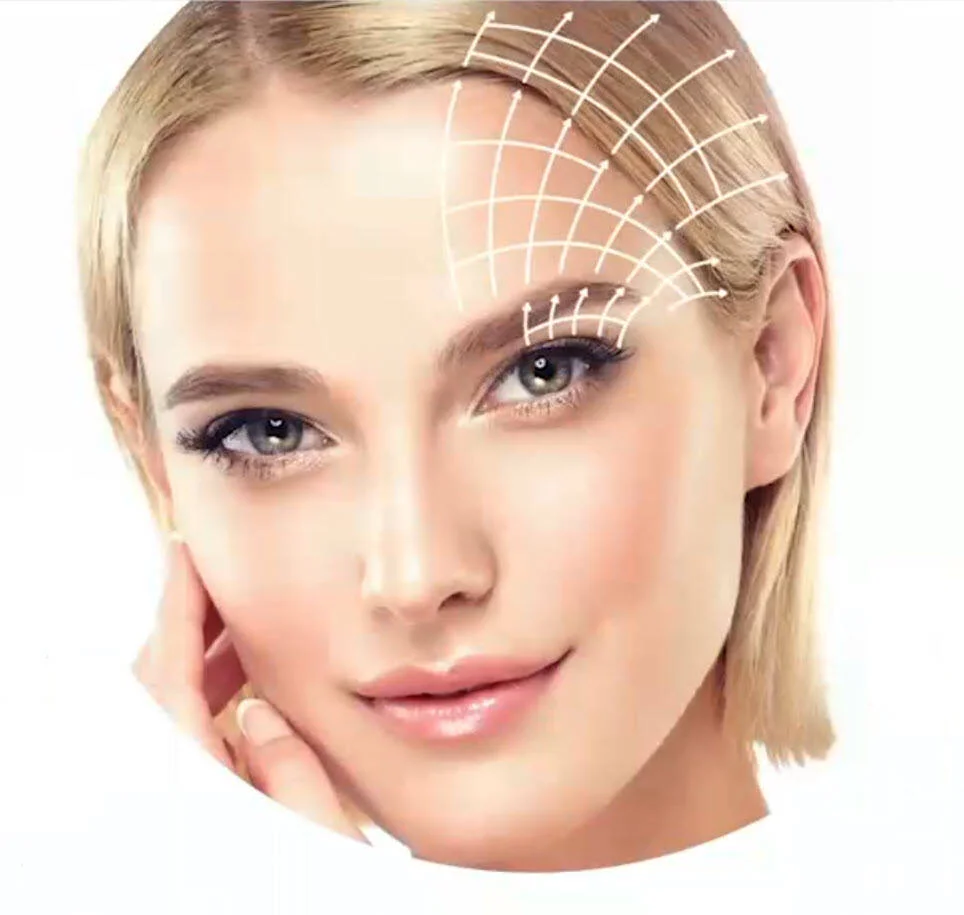
The position and shape of the eyebrows play a critical role in defining facial aesthetics. An eyebrow lift, also known as a forehead lift, is a popular procedure that rejuvenates the upper face by elevating sagging brows, smoothing wrinkles, and opening the eyes for a more youthful and refreshed appearance. This article explores the various eyebrow lift techniques, their benefits, preparation, aftercare, contraindications, and how different skin types respond to these treatments.
What Is an Eyebrow Lift?
An eyebrow lift is a cosmetic procedure aimed at raising the position of the brows. It addresses concerns such as:
- Drooping or sagging eyebrows.
- Asymmetry of the brows.
- Horizontal forehead lines and frown lines between the eyebrows.
Depending on the severity of sagging and individual preferences, eyebrow lifts can be achieved through non-surgical or surgical methods.
Types of Eyebrow Lift Treatments
Non-Surgical Options
Neuromodulators
- Neuromodulators (e.g. Dysport, Botox, Xeomin) relax the muscles that pull the brows downward, allowing the forehead muscles to lift them subtly.
- Benefits: Quick procedure, minimal downtime, and natural results lasting 3–4 months.
- Ideal For: Mild to moderate brow drooping.
- Pros: Non-invasive, affordable, and customizable.
- Cons: Temporary results requiring repeat treatments; limited lifting effect. If the outcome was unsatisfactory the problem cannot be reversed but fortunately, as the effect wears off in about three months, the condition will self-restore to its original status.
- Possible Serious Side Effects: Rare allergic reactions, asymmetry, or drooping eyelids. Non-response may rarely occur.
- Cost: $150–$200 per session.
Dermal Fillers
- Fillers add volume to specific areas under the brow or in the temples to create a lifting effect.
- Benefits: Immediate results, customizable shaping, and effects lasting 6–12 months. Assessment 2 weeks after the procedure is strongly advised to assess results and evaluate whether a further touch-up treatment is required.
- Ideal For: Volume loss and subtle lifting.
- Pros: Quick results and minimal downtime.
- Cons: Temporary effects and potential for overfilling or asymmetry. Unwanted results can be reversed by dissolving the filler using Hyaluronidase injection.
- Possible Serious Side Effects: Bruising, swelling, or, in rare cases, vascular occlusion.
- Cost: $300–$600 per session.
Thread Lifts
- Biodegradable threads are inserted under the skin to mechanically lift the brows. The threads also stimulate collagen production.
- Benefits: Minimally invasive, immediate results with a longer-lasting effect (6–12 months).
- Ideal For: Moderate sagging.
- Pros: Long-lasting results and minimal recovery time.
- Cons: May require touch-ups; potential for thread visibility or migration. Skin puckering may occur, especially when threads were applied inappropriately. Thread removal may sometimes prove difficult. Foreign body reaction may rarely occur with possible scarring.
- Possible Serious Side Effects: Infection, irritation, or asymmetry.
- Cost: $900–$1200.
Energy-Based Treatments (Ultrasound or Radiofrequency, RF Microneedling)
- Treatments like HIFU or RF rejuvenation and RF microneedling use energy to stimulate collagen production, tightening the skin and lifting the brows over time.
- Benefits: Non-invasive, gradual improvement with results lasting 1–2 years.
- Ideal For: Skin laxity and early signs of ageing.
- Pros: Long-lasting effects and improvement in skin quality.
- Cons: Gradual results and may require multiple sessions.
- Possible Serious Side Effects: Temporary redness, swelling, or nerve injury.
- Cost: $350–$850 per session.
Laser Resurfacing
- Tightens the skin by stimulating collagen while improving skin texture and reducing wrinkles.
- Benefits: Enhances skin quality alongside subtle lifting.
- Ideal For: Combination of texture improvement and mild lifting.
- Pros: Improves overall skin texture and tone.
- Cons: Downtime and risk of hyperpigmentation in darker skin tones.
- Possible Serious Side Effects: Burns, scarring, or pigmentation changes.
- Cost: $500–$850 per session.
Fotona VectorLift Technology
- A cutting-edge laser treatment that combines precise skin tightening with collagen stimulation to lift and rejuvenate the brow area. The Fotona VectorLift utilizes a non-ablative laser to tighten deep layers of skin while enhancing elasticity and firmness.
- Benefits: Non-invasive, gradual and natural-looking results, and no downtime. No needles, and no foreign material injected. There is no or minimal downtime.
- Ideal For: Early to moderate brow sagging and skin laxity.
- Pros: Improves skin quality, long-lasting results, and safe for various skin types.
- Cons: Multiple sessions may be needed; results develop over time rather than immediately.
- Possible Serious Side Effects: Temporary redness, slight swelling, or discomfort during the procedure.
- Cost: $350–$550 per session.
Surgical Options
Classic Surgical Brow Lift
- Involves making incisions along the hairline to reposition tissues and remove excess skin.
- Benefits: Provides dramatic and long-lasting results.
- Ideal For: Severe sagging and deep forehead wrinkles.
- Pros: Significant and permanent results.
- Cons: Higher cost, longer recovery time, and potential for scarring.
- Possible Serious Side Effects: Nerve damage, infection, or excessive scarring.
- Cost: $5,000–$7,500.
Endoscopic Brow Lift
- A minimally invasive surgery using small incisions and an endoscope to reposition the brow tissues.
- Benefits: Minimal scarring and faster recovery.
- Ideal For: Moderate drooping.
- Pros: Less invasive than traditional surgery; shorter downtime.
- Cons: Subtle results compared to classic lifts.
- Possible Serious Side Effects: Temporary numbness, swelling, or infection.
- Cost: $4,000–$6,500.
Temporal Brow Lift
- Focuses on lifting the outer third of the brow through incisions near the temples.
- Benefits: Subtle lift with minimal downtime.
- Ideal For: Outer brow sagging.
- Pros: Quicker recovery and natural results.
- Cons: Less dramatic lifting and potential for temporary numbness.
- Possible Serious Side Effects: Asymmetry, infection, or scarring.
- Cost: $3,500–$5,000.
Benefits of an Eyebrow Lift
- Restores a youthful and refreshed appearance.
- Reduces sagging skin that may obstruct vision.
- Smoothens forehead lines and frown lines.
- Enhances overall facial symmetry and balance.
- Boosts self-confidence and satisfaction with appearance.
Pre-Treatment Care
- Consultation: Have a detailed discussion with a qualified practitioner to assess goals, skin type, and medical history.
- Skin Preparation: Discontinue use of retinoids, exfoliants, or harsh products 3–5 days before the procedure.
- Medication: Avoid blood-thinning medications (e.g., aspirin, ibuprofen) and supplements like omega-3s a week before treatment.
- Day of Treatment: Cleanse the face thoroughly and avoid applying makeup.
Aftercare for Eyebrow Lift
Non-Surgical Treatments
- Avoid touching or applying makeup to the treated area for 24 hours.
- Refrain from vigorous activities, saunas, or sun exposure for 48 hours.
- Use soothing creams and sunscreen as recommended.
Surgical Treatments
- Follow the surgeon’s instructions regarding wound care and dressing changes.
- Use prescribed medications to manage pain and swelling.
- Keep the head elevated while sleeping to reduce swelling.
- Avoid strenuous activities and direct sun exposure for several weeks.
Contraindications
- Pregnancy or breastfeeding (for non-surgical options).
- Active skin infections or inflammation in the treatment area.
- Allergies to treatment components (e.g., Botox, fillers).
- Bleeding disorders or uncontrolled medical conditions (for surgical options).
- Unrealistic expectations regarding results.
Effects of Skin Types on Treatment Modalities
- Lighter Skin Types: Generally tolerate most treatments, including lasers and energy-based modalities, with minimal risk of complications.
- Darker Skin Types: Have a higher risk of post-inflammatory hyperpigmentation (PIH) with lasers and aggressive resurfacing. Careful selection of energy levels and treatments is crucial.
- Ageing and Sun-Damaged Skin: May benefit more from surgical procedures or combined modalities for comprehensive rejuvenation.
Conclusion
Eyebrow lifts offer a versatile range of options to address sagging brows and enhance facial aesthetics. From non-invasive treatments like Botox and fillers to surgical procedures, there’s a solution for every need and preference. Proper consultation, preparation, and aftercare are essential to achieving safe and satisfactory results. Always consult with a certified professional to determine the most suitable approach based on your individual goals, skin type, and medical history.
The Choice of Treatment Options
Selecting the best eyebrow lift treatment depends on several factors:
Degree of Sagging
- Mild to moderate sagging can often be addressed with non-surgical options like Botox, fillers, or energy-based treatments.
- More significant sagging may require thread lifts or surgical options like an endoscopic or classic brow lift.
Desired Results
- For subtle, natural-looking results, non-surgical options like Fotona VectorLift or thread lifts may be ideal.
- If you seek dramatic and long-lasting results, surgical options are better suited.
Downtime and Recovery
- Non-surgical treatments typically have minimal downtime.
- Surgical procedures involve longer recovery periods but offer more significant results.
Budget
- Non-surgical options are generally more affordable upfront, though they may require regular maintenance.
- Surgical options are more costly but provide long-term results.
Skin Type
- Darker skin types should avoid aggressive laser treatments due to the risk of pigmentation changes. Options like Botox or thread lifts are generally safer.
Health and Contraindications
- Ensure you have no underlying conditions that could complicate treatment, such as active infections or bleeding disorders.
Consultation
- Consider consulting with our qualified practitioners who can evaluate your goals, skin type, and medical history to recommend the most suitable treatment.