Solar Keratosis: Causes, Prevention and Treatments

Prolonged exposure to the sun’s harmful ultraviolet (UV) rays can leave marks on our skin. Solar keratosis or actinic keratosis is one of the consequences.
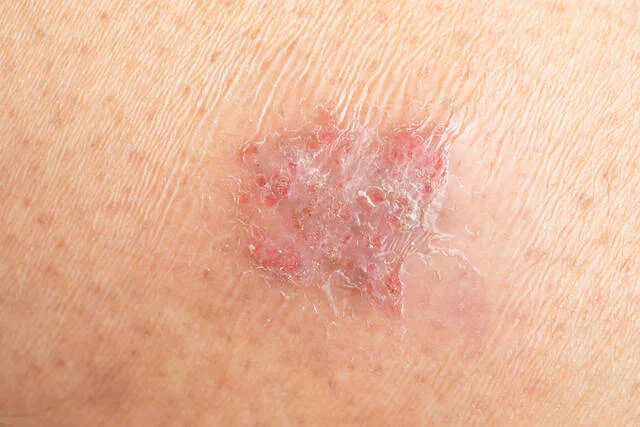
Solar keratosis typically appears as rough, scaly patches on areas frequently exposed to the sun, such as the face, ears, hands, and arms. Patches can vary in colour, including red, pink, brown, or flesh-coloured. While it is not cancerous, if left untreated, solar keratosis can progress to skin cancer over time. It’s essential to consult a medical practitioner and address these lesions promptly.
Causes
The primary cause of actinic keratosis is sun exposure. UV rays from the sun can damage the DNA in skin cells, leading to the development of these dry, scaly, or crusty patches.
People with fair skin, light-coloured eyes, and frequent sun exposure are more prone to developing solar keratosis. Other risk factors include a weakened immune system and a history of sunburns.
Prevention
Preventing future sun damage is essential. Protect your skin from the sun daily. Use a broad-spectrum sunscreen, wear protective clothing, avoid peak sun hours, and check your skin regularly for any changes.
Methods of Treatment
Early intervention is important. Medical practitioners use topical medications, laser therapy, chemical peels, and other procedures to treat solar keratosis. The treatment choice depends on the extent of damage and location of lesions, the patient’s skin type and overall health. Some procedures allow you to immediately resume daily activities, while others may involve a short downtime.
Topical treatments
Non-invasive method, suitable for widespread lesions. Prescription-strength creams or gels are applied to the affected areas. These medications eliminate abnormal cells and stimulate the growth of healthy skin. Redness, peeling or itching may occur during treatment.
Topical treatment produces gradual results, with visible improvement over weeks or months.
Photodynamic therapy (PDT)
A photosensitizing agent is applied to the skin followed by exposure to a specific light source. The combination activates a reaction that destroys abnormal cells. PDT also stimulates collagen production. The procedure may cause temporary redness, swelling, and sensitivity to light.
The patient can expect significant improvement after one or more sessions.
Laser therapy
Fractional or ablative laser resurfacing can be used to remove damaged skin cells and stimulate collagen production. The skin becomes smoother and healthier. Downtime depends on various factors.
There are noticeable results after several sessions.
Chemical peels
A peel is applied to the skin, causing exfoliation and flaking. This process reveals new, regenerated skin. You may feel mild discomfort during application. The downtime period depends on various factors.
The skin becomes smooth and renewed after peeling. The treatment also improves skin texture and tone.
If you notice any changes in your skin, it is essential to consult with a medical practitioner. Early detection and treatment can help prevent skin cancer. The experience and knowledge of our medically qualified practitioners allow us to provide treatment to people with medical conditions that may be beyond the capabilities of aesthetic practice. Book your appointment today.