
Managing Rosacea: Treatment Options, Skincare Tips, and Lifestyle Changes
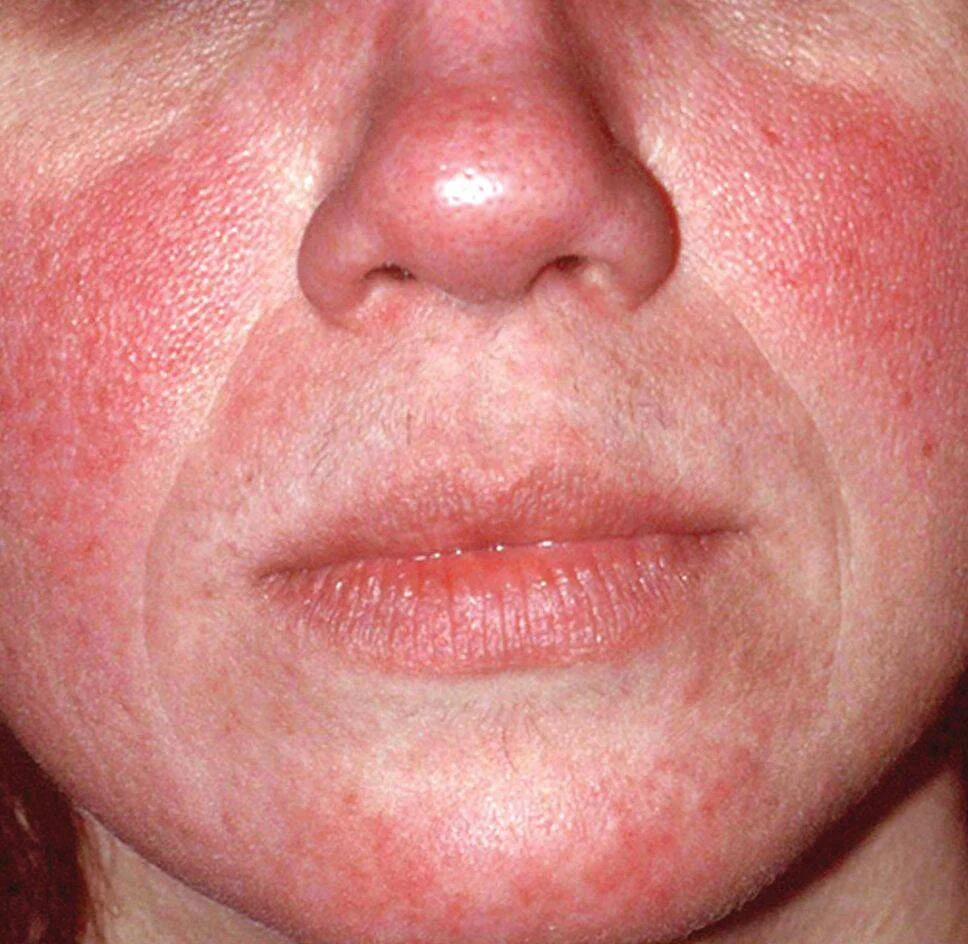
Rosacea is a chronic skin condition characterized by facial redness, visible blood vessels, and in some cases, acne-like bumps. It often affects the cheeks, nose, forehead, and chin, and can cause significant discomfort and self-consciousness. Thanks to research breakthroughs there are numerous rosacea treatments available today. Proper management can help minimize symptoms and prevent flare-ups.
Rosacea typically progresses through stages:
- Persistent redness and flushing are often the first signs.
- Tiny blood vessels (telangiectasia) become more visible, especially on the cheeks and nose.
- Some people develop red bumps or pus-filled pimples that resemble acne.
- In rare cases, the skin may thicken, especially around the nose, causing rhinophyma (more common in men).
Common triggers vary from person to person but often include:
- Sun exposure
- Hot or spicy foods
- Alcohol
- Stress
- Hot drinks
- Extreme temperatures
- Skin or hair products.
- Hormonal changes.
1. Rosacea Treatments
The treatment goals are to reduce or eliminate signs of rosacea, ease discomfort and prevent rosacea from worsening. The treatment plan will include tips to help you avoid what triggers your flare-ups, gentle skin care, and sun protection. When used along with medication, laser or light therapy, and other treatment as needed, this type of plan can help to control rosacea.
| Signs and Symptoms of Rosacea | Therapies That Treat Rosacea |
|---|---|
| Redness |
|
| Persistent (long-lasting) color on the face |
|
| Acne-like breakouts |
|
| Visible blood vessels |
|
| Thickening skin |
|
Book your consultation and our experienced medical practitioners will create a treatment plan tailored to your needs.
2. Skincare Tips
Skin care routine is an essential part of every rosacea treatment plan. Proper care can help soothe the skin, prevent irritation, and minimise flare-ups. Use a gentle cleanser, moisturiser, and sunscreen as the medical practitioner directed and you will allow you to get the most out of treatment.
Gentle Cleansing. Use a mild, non-foaming cleanser designed for sensitive skin. Avoid using scrubs, exfoliants, or harsh cleansers, as they can aggravate redness and irritation. Cleanse your face twice daily with lukewarm water, avoiding extremes in temperature.
Moisturize Daily. Keeping the skin hydrated is key to protecting the skin barrier and reducing irritation. Opt for fragrance-free, non-comedogenic moisturisers formulated for sensitive skin. Look for ingredients like ceramides and hyaluronic acid, which help lock in moisture without causing breakouts.
Sun Protection. Sun exposure is a common rosacea trigger. Apply a broad-spectrum sunscreen with an SPF of 30 or higher daily, even on cloudy days. Avoid sunscreens with fragrances or alcohol.
Avoid Irritating Ingredients. To reduce the likelihood of using a product that will irritate your skin, avoid skincare products that contain any of the following ingredients:
- Alcohol
- Camphor
- Fragrance
- Glycolic acid
- Lactic acid
- Menthol
- Sodium lauryl sulphate (often found in shampoos and toothpaste)
- Urea
Always do a test when trying new products to ensure they won’t trigger a reaction.
3. Lifestyle Changes
In addition to medical treatments and skincare, lifestyle changes can control rosacea flare-ups.
Identify and Avoid Triggers. Keeping a rosacea diary can help you identify what triggers your flare-ups. Track your diet, skin care products, weather conditions, and emotional states to pinpoint the causes of worsening symptoms. Once identified, avoid or minimise exposure to these triggers.
Dietary Adjustments
Some foods and beverages may trigger rosacea flare-ups:
- Spicy foods
- Alcohol
- Hot drinks, such as coffee or tea
Consider modifying your diet by reducing or eliminating these triggers to see if your skin improves.
Manage Stress
Meditation, yoga, or deep breathing exercises can help prevent flare-ups. Regular exercise is also beneficial, but choose activities that don’t cause excessive sweating.
Protect Against Temperature Extremes
Avoid saunas or hot showers, which can dilate blood vessels and increase redness. Stay cool in hot weather, seek shade or use air conditioning.
The medical treatment combinations, skincare routines, and lifestyle changes can significantly improve rosacea symptoms and prevent flare-ups.
Book your consultation to develop an individual treatment plan.