
Melasma: Causes & Prevention, Treatment
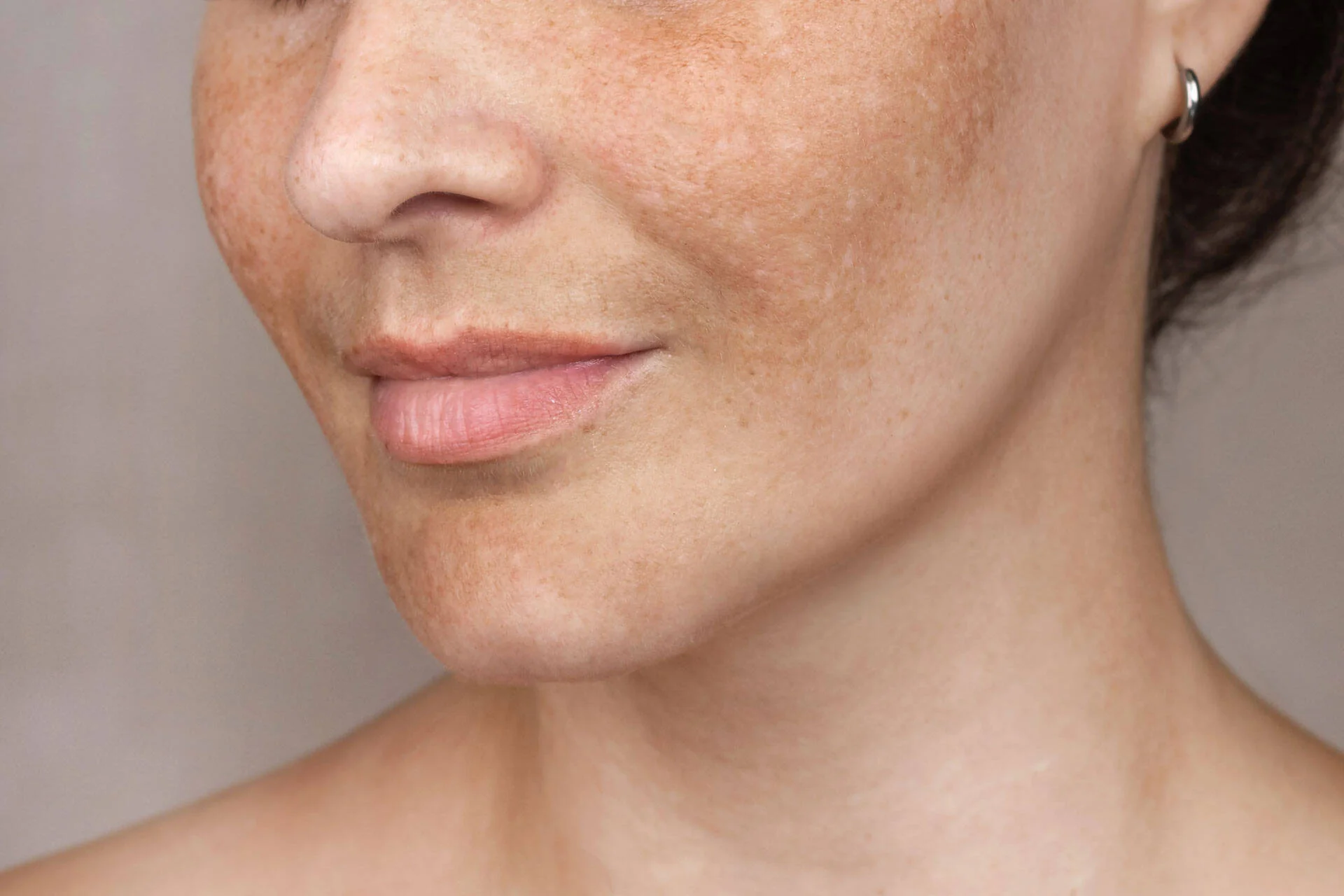
Melasma, also known as chloasma or pigmentation of pregnancy, is a skin condition characterized by patchy shades of brown pigmentation on sun-exposed areas of the face. It is more commonly seen in females and those with darker skin types, and tends to worsen in the summer.
Causes
While the exact cause of melasma is unknown, factors such as genetics, sun exposure, and hormonal changes (such as pregnancy or using oral contraceptives) may play a role. People with darker skin phototypes are more prone to developing this condition.
Ultraviolet radiation stimulates melanocytes (pigment-producing cells) to produce more melanin (pigment). Blood vessel abnormalities may also play a role.
It is important to note that melasma is a chronic condition and complete resolution may not be possible. The best approach is a combination therapy that addresses various aspects of the condition. With the right combination of treatments and ongoing maintenance, it is possible to manage and improve the appearance of melasma.
Consulting with our medical practitioner is recommended to develop a personalized treatment plan based on individual needs and skin type.
Prevention
The most important aspect of treatment is preventing further deterioration and removing trigger factors. This includes protecting the skin from the sun with sunscreen, and avoidance of energy-based skin therapy unless used under medical supervision.
Methods of treatment
Here are some methods of treatment that can be effective:
1. The mainstay of treatment is dermaceuticals. These are topical medications that can help lighten the pigmentation. Hydroquinone, azelaic acid, vitamin A, vitamin C, and tranexamic acid are some examples of dermaceuticals that may be used.
2. Caution should be exercised when using chemical peels, but they can be helpful in improving melasma. These peels remove the outer layer of the skin, promoting the growth of new, healthier skin cells.
3. Microneedling involves using tiny needles to create controlled micro-injuries in the skin, stimulating collagen production and improving the appearance of melasma.
4. IPL uses pulses of light to target and break down the pigmented cells, reducing the appearance of melasma.
5. Laser treatment is only used selectively and in severe cases of melasma, as it can potentially worsen the condition if not used appropriately. It is important to consult with a medical professional before considering laser treatment.
6. Cosmetic camouflage. In some cases, colour-matched makeup can be used to conceal the majority of melasma. However, for darker pigmentation, it may be challenging to successfully cover up the patches.
Please note that the individual results will vary depending on the individual and the targeted area. Any details provided here are general and should not replace professional consultation.