Skin cancer treatment
Skin cancer early detection and prevention strategies can reduce the impact of skin cancer. This article explores the causes, risk factors, detection methods, and treatment options.
What is skin cancer?
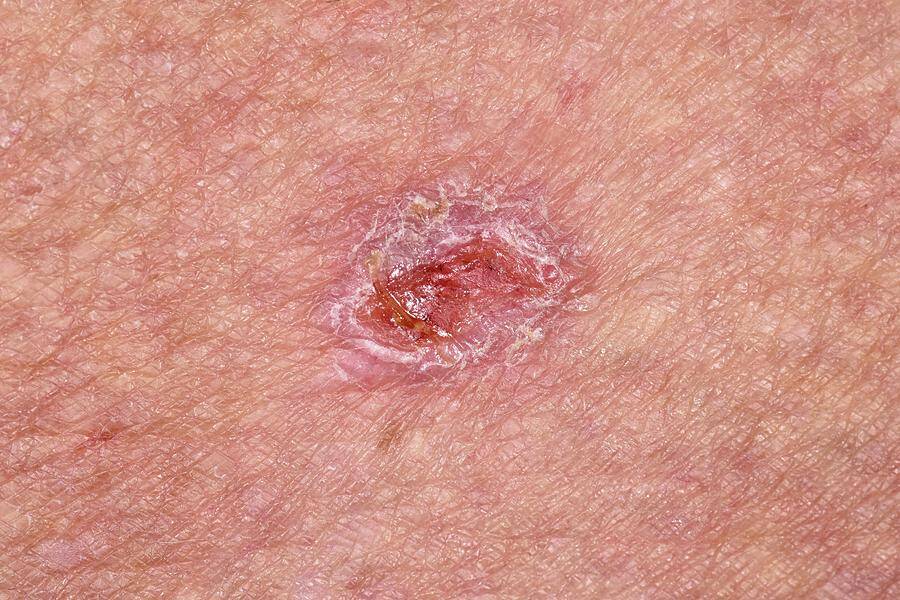
Skin cancer is the uncontrolled growth of abnormal cells in the skin. They may then form a lump pr an ulcer which continue to grow and invade deeper into and destroy the normal surrounding tissue. If not treated early some cancer cells my then invade blood vessels accessing the blood circulation which may then enable them to spread into different parts of the body such as liver, lungs, brain and bone. Some cancer cells may also invade the lymphatic system which allows it to spread to the near by lymph glands.
The 3 main types are:
- basal cell carcinoma (BCC) – constituting about 70% of all skin cancers
- squamous cell carcinoma (SCC) – seen in about 30% of all skin cancers
- melanoma contribute to only 1% of all skin cancers.
BCC and SCC – These are also called non-melanoma skin cancer or keratinocyte cancer.
Melanoma – is a cancer of special skin cell called melanocytes. These cells are normally responsible for producing melanin in the body. When these cells multiply in an out-of-control fashion then a melanoma may occur.
All people irrespective of their skin phototype have the same number of melanocytes in their body. The difference in skin colour is attributable to the amount of melanin in the skin and not the number of melanocytes.
People with fair skin are more prone to develop melanoma than darker skin people. However, darker skin people still can get melanomas specially in the soles and palms.
Of all skin cancers, melanoma is the most serious form of skin cancer because it is more likely to spread to other parts of the body, especially if not found and treated early.
There are other rare types of skin cancer. These include Merkel cell carcinoma, angiosarcoma, appendageal cancers, malignant histiocytomas, Dermatofibrosarcoma, and many others. Their treatment may differ from BCC and SCC.
Other skin spots may not necessarily cancerous.
Most of the skin spots that occur in our body are in fact non-cancerous. There are many different types and include:
- Solar lentigo
- Actinic or solar keratosis
- Seborrheic keratosis
- Haemangiomas (cherry angiomas)
- Dermatofibromas
In addition to these skin spots, many lumps and pigmented lesions in the body are simply benign moles that we were born with or formed over the years.
Your GP is the best person to go to to check any skin lesion for reassurance.
What causes skin cancer?
Over 95% of skin cancers are caused by exposure to UV radiation. Across Australia, the UV levels can do damage to unprotected skin most of the year, not just in warmer months. UV radiation isn’t related to the temperature or whether it’s sunny or cloudy. UV radiation can cause sunburn; premature skin ageing, and damage to skin cells, which can lead to skin cancer.
How common is skin cancer?
Australia has one of the highest rates of skin cancer in the world. About 2 out of 3 Australians will be diagnosed with some form of skin cancer before the age of 70.
Who is at risk?
Skin cancer can affect any person irrespective of their skin colour, or age, however, some are at more risk than others and these include:
- Older age
- Pale or freckled skin, especially if it burns easily and doesn’t tan, red or fair hair and light-coloured eyes (blue or green)
- Unprotected exposure to UV radiation, particularly a pattern of short, intense periods of sun exposure and sunburn, such as on weekends and holidays’, working or spending time outdoors
- Actively having tanned, sun-baked or used solariums
- Exposure to arsenic
- A weakened immune system – this may be from having leukaemia or lymphoma or using medicines that suppress the immune system (e.g. for rheumatoid arthritis, another autoimmune disease or for an organ transplant)
- Lots of moles, or lots of moles with an irregular shape and uneven colour
- A previous skin cancer or a family history of skin cancer
- The presence of excessive sun spots which indicate previous excessive UV exposure in the past
- Smoking is associated with increased risk of skin cancer
- Dark skin people still can get skin cancer but rarely as the increased pigment concentration in their skin confer strong protection against the effect of UV damage.
How do I spot a skin cancer?
Skin cancers don’t all look the same, but there are some signs to look out for, including a spot that looks and feels different from other spots on your skin, has changed size, shape, colour or texture, is tender or sore to touch, doesn’t heal within a few weeks, and is itchy or bleeds.
Getting to know your skin will help you notice any new or changing spots. Make a time to regularly check your skin.
If any of the above were present it is best to consult with your GP to further assess your concerns. Some GPs have specialised equipment to assist them in better evaluating these concerns and give you an informed explanation as the likely diagnosis and options for further management.
How is skin cancer treated?
Skin biopsy
The equipment the GP has, in addition to his experience in the field, often is confident about the diagnosis of skin cancer, without the need of taking a tissue sample for analysis. In these situations, the doctor would advise to proceed for a definitive treatment of the cancer.
However, it’s not always possible to tell the difference between a skin cancer and a non-cancerous skin spot just by looking at it. If there is any doubt, the doctor may need to take a tissue sample (biopsy) to confirm the diagnosis. This is achieved by injecting a local anaesthetic and a small piece of the suspected lesion is removed. Often the lesion is too small and all of it is in fact removed as a sample. The wound may need to be closed by stitches. The biopsied tissue will be sent to the laboratory to be further examined by a specialist pathologist. The results will usually take one to two weeks to be available. The biopsy may be big enough to completely remove the lesion or may only represent part of the lesion. In the former case this may be the only treatment required while in the latter case further treatment may be necessary depending on the diagnosis provided by the pathologist.
Making treatment decisions
Know your options – Understanding the type of skin cancer you have, available treatments, possible side effects and costs can help you weigh up the options and make a well-informed decision.
- It is a good idea to have a family member or friend go with you to appointments to join in the discussion, write notes or simply listen.
- Ask questions, this is very important so you understand what you have got and its long term implications.
- Consider a second opinion, if you are unsure about what you want to do.
- Find out any costs; your visit may be bulk-billed or you may have to pay upfront.
- You may also need to pay for follow-up appointments to check the wound or have stitches removed.
- When you make an appointment, ask what you will have to pay and how much is refunded by Medicare. Most places will ask you to pay on the day you see the doctor. If you have concerns about the cost, ask whether there are any payment plans or other options available to you.
Skin cancer treatment
Your GP can refer you when appropriate.
Some GPs have the skills and expertise to handle the management of most skin cancers, while other GPS limit their expertise to the diagnosis of the condition and will then help in the referral plan to other GPs or to specialists in the field.
How can Skin cancer be treated?
Non-melanoma skin cancer is treated in different ways. The treatment recommended by your doctors will depend on: the type, size and location of the cancer, your general health, your current medications, and how advanced is the cancer.
The current options of treatment include:
Surgery
Surgery to remove the cancer (surgical excision) is the most common treatment for invasive BCC and SCC. Most of these cancers after excision the wound is closed directly. Sometimes a large wound may require a graft or a flap to cover the defect.
Most of the skin cancers can be treated surgically using a local anaesthetic.
In the case of Melanoma, a confirmation by a pathologist is initially required. This step would confirm or refute the diagnosis of melanoma, but also gives further details on how advanced is the melanoma which has an important implication on further treatment plans.
In most cases melanoma once confirmed, further wider excising would be required, as the only necessary step. As these excisions tend to cause fairly large wounds it is not uncommon that the surgery may need a skin graft or a flap to appropriately cover the defect.
Occasionally, the melanoma may be advanced enough that further evaluation may be necessary, to determine prognosis, and future treatment plans, and this may include a procedure called sentinel lymph node biopsy (removing a lymph node identified by special techniques, being the most likely gland to receive the initial tumour spread from the melanoma), specialised imaging and complex interventions. In these situations referral to a specialised centres may be necessary.
Mohs micrographic surgery
It is used to treat skin cancers that have poorly defined edges. This procedure is done in stages. The doctor removes the cancer little by little and checks each section of tissue under a microscope. They keep removing tissue until they see only healthy tissue under the microscope. Having Mohs surgery depends on where the skin cancer is and how aggressive or advanced it is. This technique costs more than other types of surgery. Special equipment and training are needed, so it’s available only at some hospitals or clinics.
The majority of skin cancers do not require such a procedure.
Curettage and electrodesiccation
Curettage and electrodesiccation (cautery) is used to treat some BCCs, small SCCs and areas of SCC in situ (Bowen’s disease).
The doctor will give you a local anaesthetic and then scoop out the cancer using a small, sharp, spoon-shaped instrument called a curette.
Low-level heat will be applied to stop the bleeding and destroy any remaining cancer. The wound should heal within a few weeks, leaving a small, flat, round, white scar.
Cryotherapy
Cryotherapy, or cryosurgery (freezing), is a procedure that uses extreme cold (liquid nitrogen) to remove sunspots, some small superficial BCCs and SCC in situ (Bowen’s disease). The procedure may need to be repeated.
Topical treatments
Some skin spots and superficial skin cancers can be treated with creams or gels that you apply to the skin. These are called topical treatments. They may contain immunotherapy or chemotherapy drugs, and are prescribed by a doctor. Only use these treatments on the specific spots or areas that your doctor has asked you to treat.
Radiation cream
As at December 2023, there are no guidelines or recommendations on the use of topical radiation creams such as Rhenium-188. Information on its effectiveness and side effects is needed before it may be considered a standard treatment.
Photodynamic therapy
Photodynamic therapy (PDT) uses a cream that kills cancer cells when a special light is applied. It is used to treat sunspots, superficial BCCs and SCC in situ (Bowen’s disease). This treatment may have a high cost.
After gently scraping the area to remove any dry skin or crusting, the doctor applies a cream to the skin. After 3 hours, light is used to activate the cream, either using an LED light or by indirect sun exposure (daylight PDT). An LED light is usually used on the area for about 8 minutes. The area is then covered with a bandage. For skin cancers, LED PDT is usually repeated 1–2 weeks later. Daylight PDT works in a similar way – your doctor will give you instructions for how long to expose only the area with the cream to sunlight.
Radiation therapy
Radiation therapy (also known as radiotherapy) uses radiation to kill or damage cancer cells so they cannot grow, multiply or spread. It is used as the main treatment for BCCs or SCCs that are not suitable to be removed surgically, for large areas, or for people not fit enough for surgery. Sometimes radiation therapy is also used after surgery to reduce the chance of the cancer coming back or spreading.
Hard to treat and advanced skin cancer
Rarely, a person may present with skin cancer that is too complex or too advanced beyond the capability of GPs to handle, in these cases referral will be made to special cancer centres to handle the situation.
After treatment of my skin cancer will I be getting more skin cancers?
People who’ve had skin cancer have a higher risk of getting more skin cancers. You will need regular checks with your doctor to see if the cancer has come back and to look for any new skin cancers. People who are immunosuppressed may need to be checked more often.
After a skin cancer diagnosis, you need to take special care to protect your skin from the sun’s UV radiation.
Using a sunscreen daily when the UV level is forecast to be 3 or above has been shown to reduce the risk of skin cancer.
Other measures include protective clothing, a hat, sunscreen, sunglasses and seeking shade.
Any details provided here are general and should not replace professional consultation.